Source Foldable Silicone Collapsible Cup for Travel Camping Hiking
Explore 30 listings for the foldable silicone collapsible cup designed for outdoor and daily use. Buyers can compare specifications like volume, certifications, and customization options to find the right supplier for their needs; compare the available evidence and request quotations based on your requirements.
Key considerations
Products List




Comprehensive Sourcing Guide
Foldable Silicone Collapsible Cup Sourcing Guide
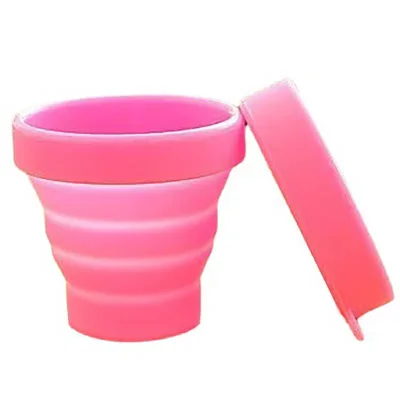
Buyers evaluating foldable silicone collapsible cups must first distinguish between general travel mugs and specialized hydration tools designed for compact storage. The observed product range includes specific models like the Collapsible Silicone Cup-061J and the Silicone Folding Cup-043C, which feature distinct volume capacities ranging from 12oz to 16oz. These items are explicitly categorized for adult use and are designed to be non-disposable, offering a durable alternative to single-use plastic containers for outdoor enthusiasts and travelers.
When assessing product listings, procurement teams should note that while some items are described as having a volume of 500ml, others are listed in fluid ounces, requiring careful unit conversion during specification matching. The physical design often includes a cover but lacks a handle, relying on the material's flexibility to fold from dimensions like 70250mm down to 70150mm. This structural characteristic is critical for logistics planning, as the folded state significantly reduces shipping volume compared to rigid alternatives.
Product Scope and Observed Listing Signals
Sourcing teams must verify that the "Universal" group classification aligns with specific usage scenarios, as the product attributes indicate a focus on general utility rather than niche industrial applications. The observed listings confirm that customization is available, allowing buyers to request specific branding or logo placement, which is a key differentiator for corporate gifting or promotional campaigns. However, the presence of varied model numbers like GP-B002 and GP-SKG008 suggests that not all listed items share identical features, necessitating a line-item review to ensure the selected SKU matches the intended application.
Buyers should also scrutinize the packing specifications, as some products are individually packed in polybags while others utilize OPP bags or cartons depending on the order volume. The material composition is consistently described as 100% food-grade silicone, which supports the claim of good sealing and water resistance, but the hardness is noted as soft, affecting the tactile experience and structural rigidity when the cup is expanded. This softness is a deliberate design choice for collapsibility but requires verification that the material does not deform excessively under the weight of hot liquids.
Technical Specifications to Verify
Technical due diligence requires confirming the exact unfolded and folded dimensions to ensure compatibility with existing luggage or storage compartments. The observed standard for one model specifies an unfolded size of 70250mm and a folded size of 70150mm, while another lists a compact standard of 9.2cm*9cm. Procurement officers must validate that the selected model's dimensions match the physical constraints of the end-user's environment, as the "Silicone Glass Sleeve" and "Hot Water Bottle" type attributes indicate potential variations in thermal insulation and structural support that differ from standard folding cups.
Volume capacity is another critical specification that varies across the observed product range, with listings showing 12oz, 14oz, 16oz, and 500ml options. Buyers must ensure the chosen volume aligns with the intended hydration needs, as a 12oz cup may be insufficient for extended outdoor activities compared to a 16oz variant. Additionally, the absence of ethylene oxide sterilization in the observed attributes implies that the products are not pre-sterilized for medical use, which is a vital distinction for buyers considering these items for healthcare or sensitive food handling environments.
Compliance and Safety Documentation
Safety compliance is paramount when sourcing food-contact items, and the observed listings frequently cite FDA and LFGB certifications as key indicators of material safety. These certifications suggest that the silicone used meets stringent standards for food safety in both the United States and the European Union, making the products suitable for general consumer use. However, buyers must request current test reports for each specific batch, as the presence of a certification label on a product page does not guarantee that every unit in a large order has undergone the same rigorous testing protocols.
While some background information mentions CE certification, this should be treated as a low-confidence signal and not assumed to be present without explicit documentation from the supplier. Procurement teams should verify if the product meets local regulatory requirements for the destination market, as the "Made in China" origin and "Guangdong, China" location indicate the need for thorough import compliance checks. The absence of specific test results in the provided facts means buyers must explicitly request SGS or similar third-party verification to confirm the material's purity and safety before finalizing any purchase.
Cost Drivers and Commercial Terms
Pricing for foldable silicone cups is highly variable, with observed ranges spanning from $0.10 to $6.00, driven largely by order volume and customization requirements. The commercial terms indicate that prices are negotiable for large quantities, and some suppliers offer stock samples for free to facilitate product evaluation. Buyers should anticipate that the final unit cost will depend on the specific model selected, the complexity of the custom logo application, and the chosen packaging method, whether it is a simple polybag or a more protective carton.
Minimum Order Quantities (MOQ) present another significant commercial variable, with observed ranges extending from 50 units up to 3,000 units, and some listings suggesting an MOQ of 10,000 for certain configurations. While one attribute mentions "Any Qty We Will Make," this is likely a marketing statement that may not apply to custom-molded items or specific color runs. Procurement planners must align their budget and inventory forecasts with the supplier's actual MOQ constraints to avoid unexpected costs or the need to consolidate orders with other buyers to meet volume thresholds.
Supplier Qualification and Quality Control
Supplier qualification should focus on verifying the manufacturing location and production capabilities, as the observed data points to Guangdong, China, as a primary origin for these items. Buyers must confirm that the supplier has the capacity to maintain consistent quality across large batches, especially given the "Customized" nature of the standard and the potential for variations in the folding mechanism. The "Soft" hardness attribute requires specific quality control checks to ensure the silicone does not degrade or lose its elasticity after repeated folding and unfolding cycles.
Quality control protocols must include a review of the packing standards, as inconsistent packaging can lead to damage during transit. The observed options include individual polybag packing, OPP bags, or cartons, and the buyer should specify the required protection level based on the fragility of the folded product. Additionally, since the products are non-disposable and designed for repeated use, testing for durability and seal integrity is essential to prevent leaks, which could otherwise lead to customer complaints and returns.
Long-Term Procurement Checks
Establishing a long-term partnership requires regular audits of the supplier's ability to maintain certification compliance and material consistency over time. Buyers should schedule periodic reviews to ensure that the FDA and LFGB certifications remain valid and that the raw materials used continue to meet the specified food-grade standards. This proactive approach helps mitigate the risk of supply chain disruptions or regulatory changes that could impact the safety and marketability of the foldable cups.
Finally, procurement teams must monitor the supplier's responsiveness to shipping and payment terms, as the observed data indicates flexibility with methods like T/T, Western Union, and PayPal. The shipping fee is often offered only upon quote, meaning buyers should negotiate clear logistics terms early in the relationship to avoid hidden costs. Regular performance reviews should assess lead times and the ability to meet volume demands, ensuring that the supplier can scale production as the buyer's order quantities increase over the contract period.
FAQs
What certifications do these cups have?
The products hold FDA and LFGB certifications, ensuring they meet strict food safety standards for direct contact. These approvals confirm the silicone material is safe for adult use and suitable for holding hot or cold beverages without leaching harmful chemicals into the contents.
Can I customize the logo on the cup?
Yes, customization is available for branding purposes. Suppliers accept custom logos and can tailor the product to specific design requirements. This service allows businesses to create unique promotional items or private label products that align with their corporate identity and marketing strategies.
What is the minimum order quantity required?
The standard minimum order quantity is typically 100 units, though some suppliers may require up to 3000 pieces. Certain vendors offer flexible options where any quantity can be produced, making it easier for small businesses to test the market without committing to large initial stock.
How are the cups packaged for shipping?
Individual cups are usually packed in polybags or OPP bags to protect them during transit. Bulk shipments are then placed in cartons to ensure stability. This packaging method helps prevent damage and keeps the products clean until they reach the final destination or retail shelf.
Are these cups disposable or reusable?
These cups are non-disposable and designed for repeated use. Made from durable silicone, they can be folded for storage and unfolded for drinking. This reusability makes them an eco-friendly alternative to single-use plastic cups, offering long-term value for both consumers and businesses.
Where are these products manufactured?
The products are manufactured in China, specifically in regions like Guangdong. This location is known for its robust manufacturing infrastructure, allowing for efficient production and competitive pricing. Buyers can expect reliable supply chains and established logistics networks when sourcing from these specific manufacturing hubs.